

One significant limitation of the incremental budgeting process is its tendency to perpetuate existing inefficiencies within an organization. By primarily adjusting previous budgets rather than starting from scratch, organizations may inadvertently carry forward outdated or inefficient practices. This can lead to a situation where funds are allocated to poorly performing programs simply because they have been funded in the past. Another significant benefit of incremental budgeting is the predictability in financial planning it provides.
What Are Operating Expenses?
Performance budgeting plays a crucial role in management and government by catalyzing reform and accountability. It encourages organizations to adopt a comprehensive approach to budgeting, wherein budget allocations are tied directly to the achievement of specific performance objectives. This approach promotes transparency and accountability as departments and programs must justify their funding requests based on expected outcomes. A performance budget is a strategy for allocating financial resources based on the efficiency and effectiveness with which an organization achieves specific goals. In contrast to traditional budgeting systems, which focus on line-item spending, performance budgets emphasize outcomes and results by linking financial resources to measurable performance indicators. Governments, businesses, and non-profit organizations frequently use this approach to distribute funds to their most valued activities.
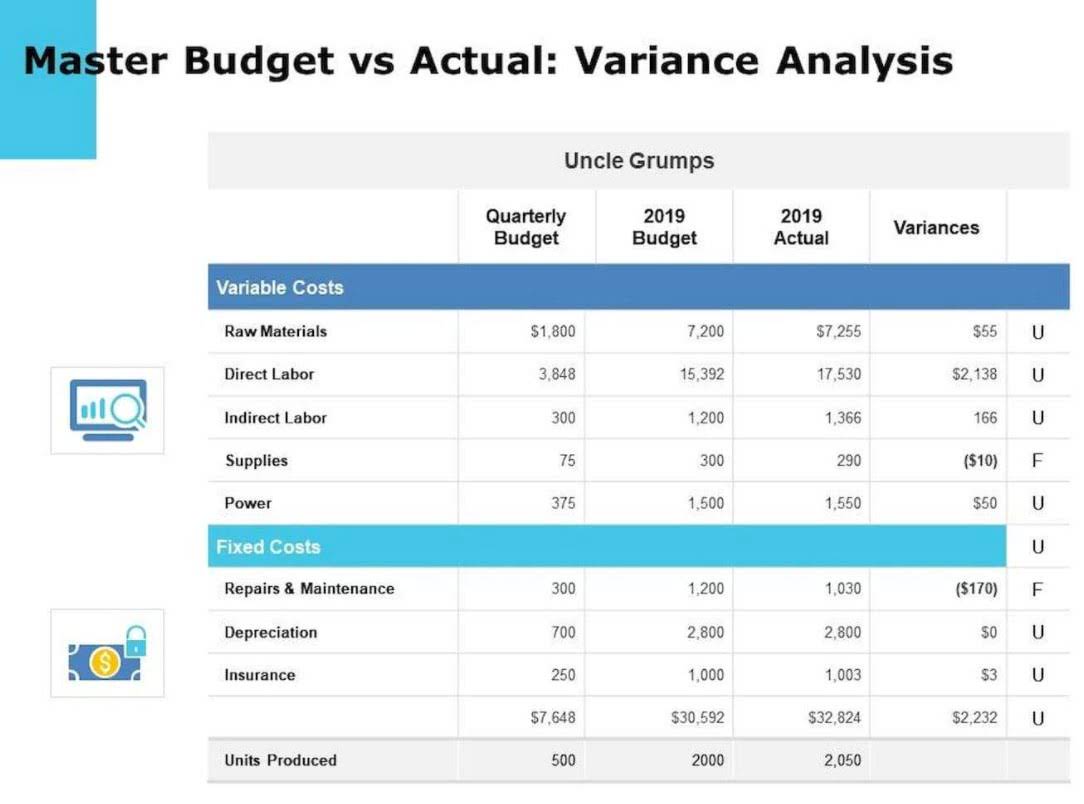
Types of Performance Budgeting

While the advantages far outweigh the disadvantages, you should explore the pros and cons of budgeting. The key assumption behind incremental budgets is the constant stability of the company’s operations. Therefore, the budgets are typically not responsive to potential changes that can result from unforeseen circumstances or some unanticipated factors. Focusing on impact over inputs, and continuous improvement in local government decision-making and service delivery, are important pieces in trust-building. Add your monthly expenses to the amount of money you’d like to save each month.
Funding stability
This is important for companies, especially when businesses tend to face stiff competition from external forces, in terms of increasingly complex marketing dynamics. This means that the criteria for evaluating the effectiveness of this budget are solely going to rely on the fact that these criteria have been by the company at the year-end. After rolling out the processes, it is vital to measure the performance https://ultimateholdings.co.za/understanding-liabilities-in-the-balance-sheet/ given by the persons involved in the process to initiate the actions accordingly. In addition, it is crucial to see whose performance was up to the mark and what changes are required to be made. After developing the processes and identifying the steps involved, it is required to plan for the financial requirement and prepare a financial budget for the processes planned.
- This means that agencies must provide evidence of how their budget requests align with their performance goals and how the proposed funds will contribute to achieving desired outcomes.
- A common concern about performance budgeting is that a company’s employees and executives may have different ideas regarding what’s important and where the funds should go.
- Priority based budgeting offers a strategic approach to resource allocation in public sector organizations.
- The goal is to correct any spending behaviors that rob your financial health of its full potential.
- Since line-item budgets focus primarily on inputs (i.e., the expenditures), they are not usually good at demonstrating the relationship between spending and program outcomes.
- This budgeting technique has been linked to improved expenditure control, higher efficiency and greater performance.
- After identifying various processes and plans, the most profitable and easy to communicate and implement plans and processes should be evaluated and selected to achieve the objectives.
Project Management Best Practices for Successful Projects
- For more on participative budgeting, check out our article on participative budgeting.
- By focusing on the incremental changes needed, organizations can ensure that essential programs continue to receive funding without undergoing a complete overhaul of their budgeting systems.
- This practice ensures that resources are allocated efficiently, adapting to changes in operational needs and market conditions.
- Performance budgeting reform seeks to address these shortcomings by introducing a results-oriented approach that encourages agencies to set clear performance goals, measure outcomes, and report on their progress.
- With a performance budget, nonprofits can showcase exactly where funding is allocated, how it contributes to achieving specific targets, and the resulting outcomes of the investment.
- If there isn’t a valid justification to pursue something, then this approach suggests that you shouldn’t change your cash flows.
It is the final step that corrects the deviations in the process and performance. Also, to make the required changes in both the process and performance to remove all those deviations.
- The scorecard aligns department work with your KPIs to provide insight and direction on how the KPIs may be achieved.
- Additionally, there may be difficulties in quantifying and measuring certain government functions and services, making it challenging to establish meaningful performance indicators.
- Pete Pyhrr developed the idea of zero-based budgeting in the late 1960s to early 1970s while he was an account manager at Texas Instruments.
- Performance budgeting plays a crucial role in management and government by catalyzing reform and accountability.
- A line item budget is just one approach to making a budget, and there are numerous strengths and weaknesses of budgeting this way.
How to use historical data effectively

This tends to extrapolate better results, because all the departments, as well as the personnel within the company within the organization, tend to work to achieve the required budget. This idea of accountability tends to be impactful because it helps create a sense of responsibility within the company, which tends to have promising outcomes for the company. Performance-Based budgeting involves setting targets to meet the objectives of the organization, at large.
- The key assumption behind incremental budgets is the constant stability of the company’s operations.
- Performance-based budgeting focuses on achieving operational goals and shows what each dollar will achieve through measurable results, such as growth rate or customer satisfaction.
- Incremental budgeting shines in scenarios where historical data plays a critical role in financial forecasting.
- Governments, businesses, and non-profit organizations frequently use this approach to distribute funds to their most valued activities.
- This kind of bottom-up budgeting can be a highly effective way to “shake things up”.
- To achieve this alignment, government agencies and organizations define clear and measurable performance goals that reflect their mission and priorities.
- It ensures that budget allocations are aligned with strategic goals, thus maximizing the likelihood of successful outcomes.
In an ideal situation, government agencies and divisions that have the best results based upon efficiency get funded again for later years. Budgeting can be a complex task, but it is an important one as it allows businesses and individuals to make informed decisions about how to allocate their resources and manage their money. In this article, we will explore the advantages and disadvantages of budgeting and the key elements that make up a successful budget. Budgeting is an essential tool for any business or individual looking to manage their finances effectively.
A performance budget allows for better estimates of costs in each department. Also, it enables companies to allocate funds to various projects by their importance. The public sector, for instance, has to show citizens Travel Agency Accounting that their money is well spent.
#2 – Higher Transparency & Accountability
By evaluating programs based on both their outcomes and cost-effectiveness, organizations can identify opportunities to streamline operations and optimize resource allocation. This focus on efficiency ensures performance based budgeting advantages and disadvantages that resources are allocated in a manner that maximizes the return on investment. Organizations can implement performance budgeting by integrating performance objectives into their budget allocation process. This involves setting clear, measurable performance goals aligned with the organization’s mission and priorities. These goals should serve as the basis for budget requests, ensuring that departments and programs justify their funding needs based on expected results.
